The Robata Revolution: Why Serious Home Cooks Are Ripping Out Their Gas Grills and Going Full Japanese
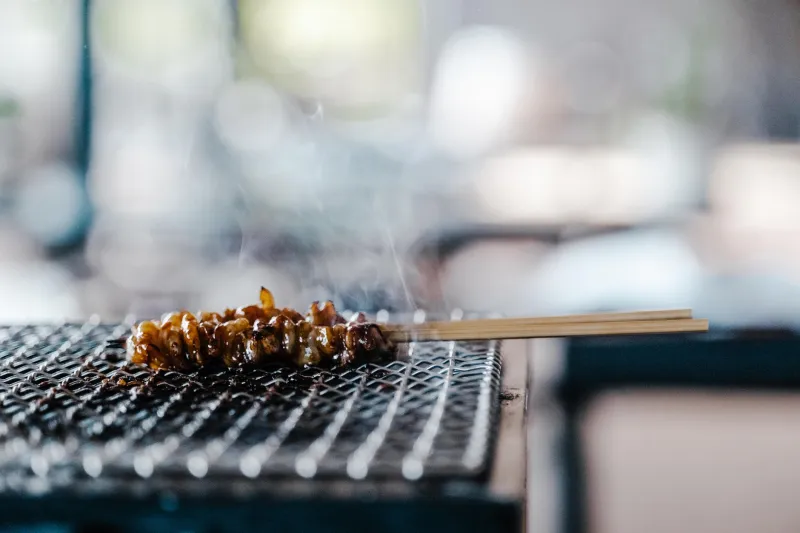
Dana Kowalski didn't plan to spend $8,000 redesigning her backyard. She just wanted to replicate the chicken she'd eaten at a yakitori counter in Chicago's Wicker Park neighborhood — the kind that comes off the grill with a glassy, caramelized crust and a smoke-free richness that no gas burner has ever come close to producing.
One YouTube rabbit hole led to another. She found a supplier for a commercial-grade konro grill. Then she started reading about robata setups. Then she was on the phone with a contractor asking about outdoor ventilation requirements.
"My husband thought I'd lost it," she laughs. "But the first time we had people over and cooked at the table, he stopped complaining."
Dana is not alone. Across the country, a particular kind of home cook — obsessive, research-driven, deeply tired of propane — is discovering Japanese grilling culture and deciding that a decent approximation just isn't enough. They want the real thing. And increasingly, they're building it.
What Robata Actually Is (and Why It's Different)
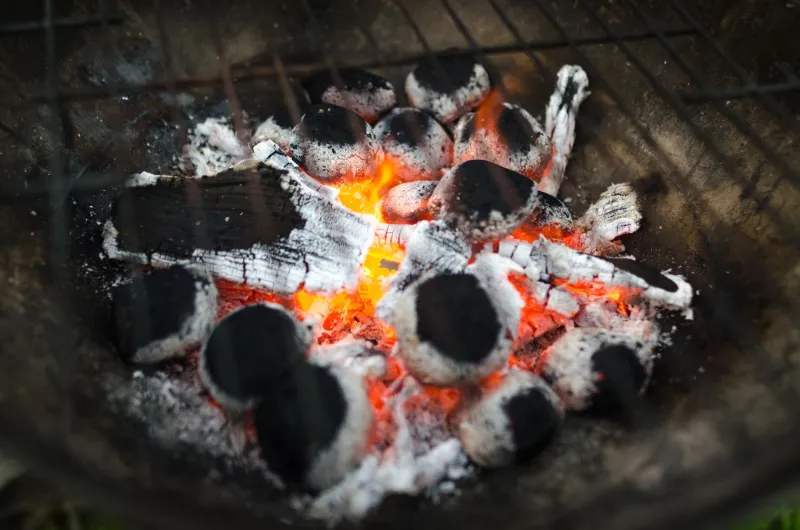
The word robata (炉端) translates roughly to "fireside" — and the cooking style is exactly that: food prepared close to an open hearth, typically over binchotan charcoal, by a chef who tends the fire with the precision of a craftsperson. Traditional robata restaurants in Japan feature long, open grills where diners can watch their food cook in real time, often passed to the table on long wooden paddles.
It's communal, theatrical, and deeply rooted in a cooking philosophy that treats heat as an ingredient. The grill isn't just a tool — it's the center of the meal.
Hibachi, a related but distinct concept, refers more to the small, portable charcoal grills that have been part of Japanese household culture for centuries. In American usage, "hibachi" has been muddied by the teppanyaki-style restaurants where chefs flip shrimp at your table — that's a different thing entirely. True hibachi is intimate, low, and focused.
Both styles share an emphasis on direct heat, minimal intervention, and ingredients good enough to stand on their own.
The People Making It Happen
In Portland, Oregon, Theo Nakamura — a software engineer with no professional culinary background — spent two years building out what he calls his "grill room": a converted garage space with a custom-built robata channel grill, dedicated ventilation, and a small prep counter. He sources binchotan by the case and cooks for friends most weekends.
"The ventilation was the hardest part," Theo says. "Charcoal grilling indoors or in an enclosed space is genuinely dangerous if you don't do it right. Carbon monoxide is no joke. I hired a contractor who'd done commercial kitchen installs and we put in a proper hood and exhaust system. It wasn't cheap, but it wasn't optional."
His setup cost approximately $12,000 all-in, including the grill unit, ventilation, electrical work, and permits. He considers it the best money he's ever spent on his home.
On the more accessible end of the spectrum, Priya Mehta in Austin, Texas went a different route: a high-quality portable konro grill on her covered patio, paired with a simple outdoor vent hood she found through a commercial kitchen supplier. Total investment: around $1,200. She uses it three or four times a week.
"I don't need a dedicated room," she says. "I just needed to stop cooking on gas."
The Practical Reality: What You Actually Need to Know
If you're considering going down this road, there are real logistical considerations that no amount of enthusiasm can shortcut.
Ventilation is non-negotiable. Burning charcoal produces carbon monoxide. Any indoor or semi-enclosed setup requires a proper exhaust system. For outdoor patios with good natural airflow, a portable setup may be fine. For anything enclosed — a garage, a covered outdoor kitchen, an interior room — you need professional ventilation installed by someone who knows commercial kitchen standards. This is not a DIY-it-and-hope situation.
Permits vary wildly by location. Some municipalities treat an outdoor charcoal grill as no different from a barbecue. Others require permits for any fixed cooking installation. If you're building a permanent robata setup, check with your local building department before you pour any concrete or run any gas lines. Several home cooks we spoke with skipped this step and had to make expensive modifications later.
Floor and surface materials matter. Binchotan burns hot and throws occasional sparks. Combustible surfaces near the grill are a real hazard. Stone, tile, and concrete are your friends here. Keep wood, composite decking, and fabric well away from the cooking area.
Grill sizing is more important than you think. A konro grill sized for two people won't keep up with a dinner party of eight. Think about how you actually entertain and size accordingly — or plan for multiple grills running simultaneously.
Budget Breakdown: Three Ways to Do It
Entry level ($300–$800): A quality konro grill (ceramic or diatomite construction) plus a starter supply of binchotan. Works beautifully on any outdoor surface with adequate airflow. No installation required. This is where most people start, and honestly, it's enough to completely change how you think about grilling.
Mid-range ($1,500–$4,000): A larger tabletop or freestanding robata-style grill, a proper outdoor kitchen setup with stone or tile surfaces, and a basic exhaust hood if you're working under a covered patio. At this level, you're building a dedicated outdoor cooking space that will last for years.
Full commitment ($6,000–$15,000+): A custom-built indoor or semi-enclosed robata setup with commercial-grade ventilation, professional installation, permits, and a grill unit sized for serious entertaining. This is Theo Nakamura's world — and the world of the Japanese grill masters who inspired all of this in the first place.
The Cultural Pull
Ask any of the home cooks who've made this leap why they did it, and the practical answers — better crust, cleaner smoke, longer burn — come second. What comes first is something harder to quantify.
"There's a ritual to it," Dana Kowalski says. "Lighting the charcoal, waiting for it to come to temperature, cooking at the table with people around you. It slows everything down in a way that a gas grill just doesn't. You're actually present for the meal."
That's the thing about robata cooking that no spec sheet captures: it's a philosophy as much as a technique. The Japanese concept of shokunin — the craftsperson's devotion to mastery — runs through it. The grill demands your attention. And in return, it gives you food that tastes like you actually meant it.
At Fuji Grill USA, that's exactly the experience we're trying to bring to American homes and backyards. The mountain is a long way from your kitchen. But the fire? That part, you can bring home.