Stop Fighting Your Fire: The Japanese Timing Secret That Ends Flare-Ups for Good
Every backyard cook in America has done it. The fat hits the coals, a column of flame shoots up, and suddenly you're in crisis mode — squirting water, sliding the meat to a cold zone, maybe even pulling it off entirely. The burger survives, barely. The outside is a little charred. The inside is still weirdly pink. And you're left wondering why grilling feels like a fight you never quite win.
Here's the thing: it doesn't have to feel that way.
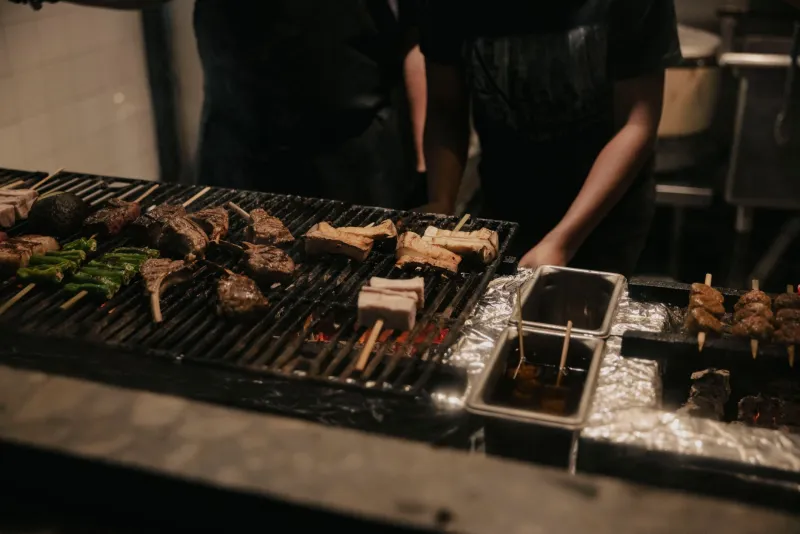
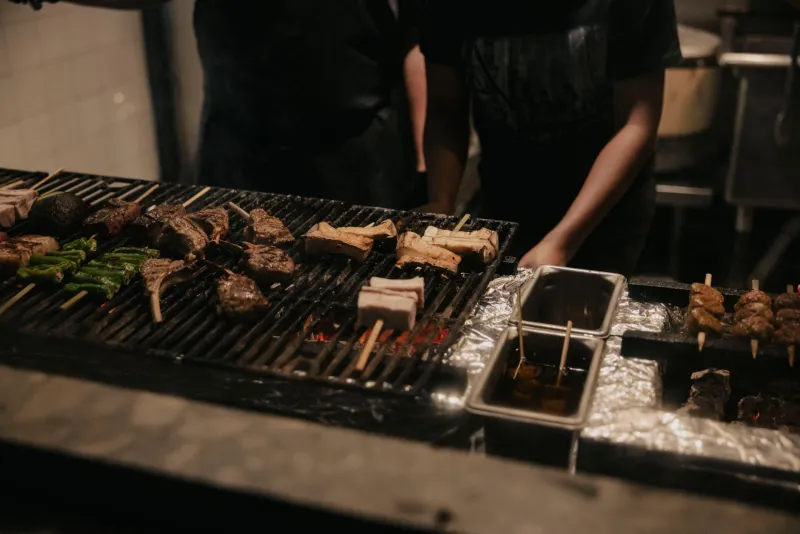
The Japanese approach to live-fire cooking — specifically the discipline embedded in Fuji-style grilling — treats flare-ups not as accidents to manage but as symptoms of a timing problem. Fix the timing, and the flare-ups largely disappear. Not because you're dousing them or hiding from them, but because you've learned to read the fire well enough that you're never in the wrong place at the wrong time.
The Flare-Up Isn't the Problem. Your Timing Is.
When fat or protein drips onto hot coals, it ignites. That's just chemistry. The real question is why it's dripping at that particular moment — and that answer almost always comes down to when you placed the meat, how long it's been sitting, and whether you've been paying attention to what the surface is telling you.
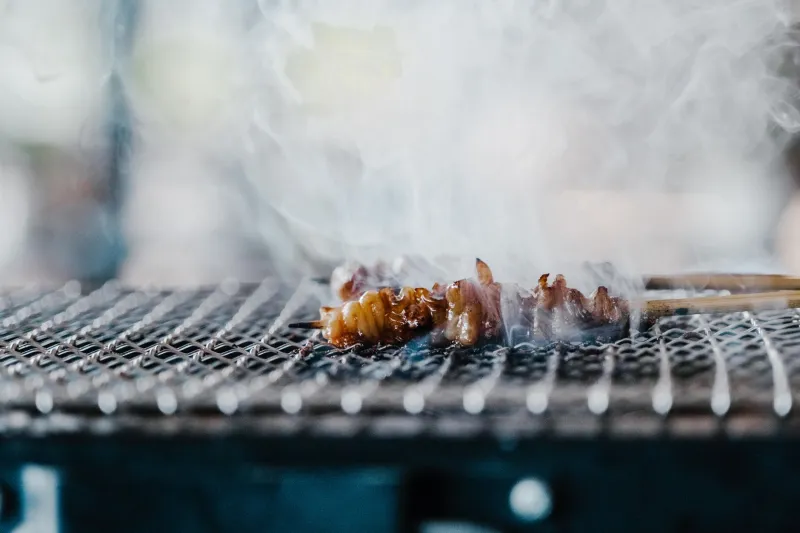
In traditional Japanese yakitori and robata cooking, grill cooks develop what you might call temporal awareness. They're not just watching color or listening for sizzle. They're tracking a mental clock — understanding that a piece of chicken thigh over binchotan charcoal at a specific heat level will begin releasing its internal moisture at roughly the same point in every cook. That moisture, if the timing is right, actually protects the meat from flare-ups by creating a brief buffer between the fat and the heat source.
When you move meat too early, you disrupt that cycle. When you leave it too long, the moisture is gone and the fat renders directly into the coals. That's your flare-up. It wasn't random. It was predictable.
Learning the Heat Cycle Instead of Fighting It
The Fuji grilling method builds its entire timing philosophy around what we'd call heat cycles — the rhythmic rise and fall of coal temperature over the course of a cook session. Fresh charcoal burns hot and slightly unpredictable. Give it time to settle into an even, radiant heat, and the temperature becomes far more manageable and consistent.
American grill culture tends to rush this. You light the coals, wait until they're gray, and throw the food on. But gray doesn't mean stable. Japanese grill masters often wait longer — watching for the coals to develop a consistent white ash coating and a steady, low-flickering heat that doesn't spike with every breeze. It's a patience game, and it pays off in control.
Once your fire is properly settled, the next piece of the puzzle is rotation timing. In Fuji-style cooking, meat isn't flipped on a whim or when it "looks ready." It's rotated at intervals that align with the natural moisture cycle of the protein. For most cuts, that means an initial sear period where you leave the meat completely alone, followed by a rotation right around the moment the top surface begins to show the first signs of moisture beading — not before, not after.
That moisture bead is your signal. It means the interior heat has risen enough to push liquid toward the surface, which tells you the bottom crust has formed and the meat is ready to release from the grate cleanly. Flip it at that exact moment, and you're working with the process. Flip it early and you tear the surface, release fat prematurely, and invite the flame you were trying to avoid.
The Pause That Changes Everything
One of the most counter-intuitive parts of the Fuji method is the deliberate pause — a brief rest period where meat is moved to the edge of the heat zone, not to finish cooking, but to let the surface temperature equalize before the final pass over the coals.
American grillers often skip this step because it feels like wasted time. But what's actually happening is critical: you're allowing the outer crust to firm up slightly while the internal temperature continues to climb passively. When you bring it back over direct heat for the finish, the surface is no longer releasing significant moisture or fat, which means the coals stay calm and you get that clean, caramelized exterior without a single flare-up.
Think of it less like a rest and more like a reset. You're giving the meat — and the fire — a chance to stabilize before the final push.
Practical Steps for Your Backyard Setup
You don't need a traditional konro grill or premium binchotan charcoal to start applying these principles, though both certainly help. The core of the Fuji timing method is adaptable to most charcoal setups.
Let your coals fully mature. After the flames die down and the coals go gray, wait an additional 10 to 15 minutes before placing any food. You want radiant heat, not active combustion.
Watch for the moisture signal. Before you flip anything, look for that faint sheen or small beads of moisture appearing on the top surface of the meat. This is your green light.
Use a two-zone setup with intention. Have a cooler edge zone ready not as a panic zone but as a planned rest station. Move meat there deliberately between cooking passes.
Stop using the spray bottle. Seriously. Water on hot coals creates steam, disrupts your heat cycle, and causes ash to scatter onto your food. If you're reaching for the bottle, it means the timing went sideways somewhere earlier in the process.
Count your rotations. For skewered proteins like chicken thighs or pork belly, four to six quarter-turns is a common rhythm in yakitori cooking. Each turn is deliberate and timed, not reactive.
A Different Relationship with Fire
What the Fuji method ultimately offers isn't a set of rigid rules — it's a different mindset. American BBQ culture celebrates the bold, the smoky, and the instinctive. Japanese grilling culture celebrates the precise, the patient, and the deeply observant. Neither is wrong, but combining the two gives you something genuinely powerful.
When you stop seeing flare-ups as fires to fight and start seeing them as clues about your timing, the whole experience of grilling shifts. You become less reactive and more deliberate. The food gets better. The stress goes down. And that backyard setup you've been wrestling with all summer suddenly starts feeling like something you actually control.
That's what Fuji-style grilling is about — not eliminating fire, but understanding it well enough that it works for you instead of against you.