They Flew to Japan to Learn How to Grill. What They Brought Back Changed Everything.
The Flight That Changes Your Grill Forever
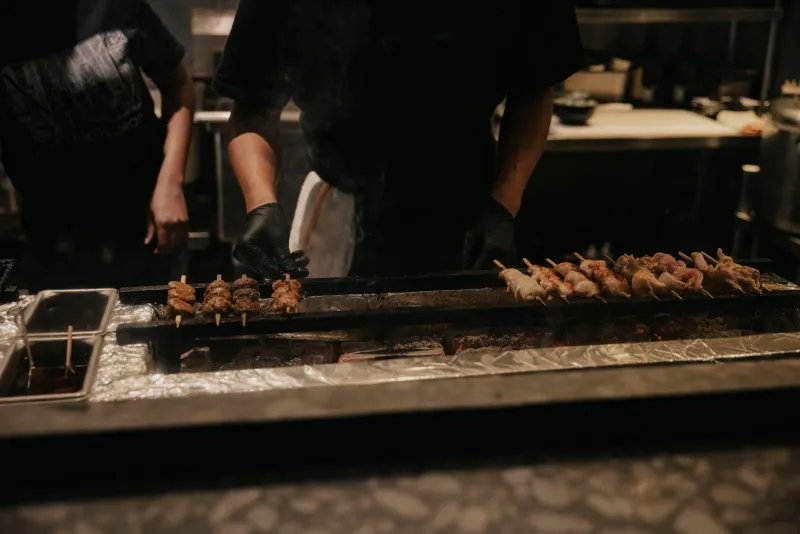
Marcus Webb had been grilling for twenty years when he booked a one-way ticket to Osaka. He wasn't going for vacation. He'd arranged a three-week informal apprenticeship at a small yakitori counter in the Shinsekai district — a place his friend's cousin had connected him to through a chain of favors and introductions that took eight months to arrange. He spoke almost no Japanese. The head grillmaster spoke almost no English.
"By day three, I realized I had been doing basically everything wrong," Webb says, laughing. He's back in Nashville now, running a yakitori-focused pop-up that's developed a serious following. "Not wrong in a bad way — I could still make food people enjoyed. But wrong in the sense that I had no real relationship with the fire. I was just reacting to it."
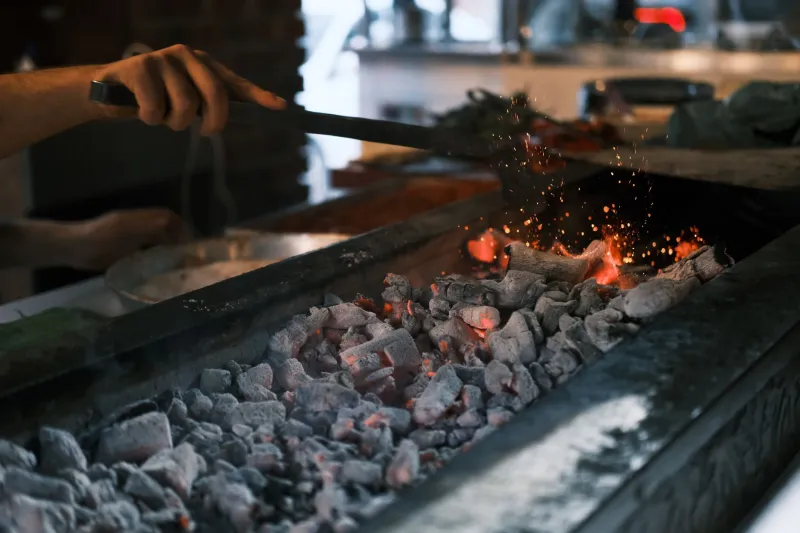
This is the part that's hard to explain to someone who hasn't stood at a Japanese charcoal grill for eight hours a day. The fire isn't just a heat source. It's a collaborator. And learning to work with it — rather than simply managing it — is apparently something that requires a very specific kind of immersive education.
Why YouTube Isn't Enough
Let's be clear about something: there is an enormous amount of excellent content online about Japanese grilling techniques. Detailed tutorials on charcoal management, binchotan ignition, skewering angles, tare application. You can spend weeks watching it. And you should.
But every single American who has made the trip to Japan to train in person says the same thing: watching and doing are separated by a gulf that online content cannot bridge.
Sarah Okonkwo, a food writer and home cook from Portland who spent two weeks at a robata restaurant in Kanazawa, puts it this way: "The videos show you what to do. Being there shows you what it feels like when you're doing it wrong — and that's actually the more important information."
The feedback loop in a real yakitori kitchen is immediate and physical. The sound the charcoal makes when a skewer is placed at the wrong angle. The smell that signals a glaze is about to burn rather than caramelize. The way a master grillmaster's body is positioned relative to the grill — slightly lower than you'd expect, shoulders relaxed, eyes moving constantly across the whole cooking surface rather than fixed on one skewer. These are things you absorb through proximity, not through a screen.
What the Apprenticeship Actually Looks Like
Formal culinary apprenticeships in Japan can last years. The Americans making these pilgrimages are typically arranging something shorter and less structured — a few weeks of working alongside experienced grillmasters, often through personal connections, culinary tourism programs, or organizations that facilitate cultural exchange in the food space.
The experience is rarely glamorous, at least at first. Daniel Reyes, a restaurant owner from Austin who spent three weeks in Tokyo studying yakitori, describes his first week as "humbling in a way I wasn't prepared for."
"I thought I was going to be grilling on day one. I wasn't. I was watching, prepping ingredients, and being corrected constantly on things I thought I already knew — like how to hold a skewer, or how to fan the charcoal. The grillmaster I worked with had been doing this for over thirty years, and he treated every single piece of chicken with the same attention. That discipline is contagious when you're around it."
By the end of his stay, Reyes had internalized a concept that Japanese grillmasters call ma — a sense of interval, timing, and intentional pause. In grilling terms, it translates to understanding that the moments between actions are as important as the actions themselves. Knowing when not to move a skewer. When to let the heat do its work without interference. When to pull back and simply observe.
"There's no American BBQ equivalent to that concept," he says. "We're culturally wired to be doing something constantly. Standing still and watching feels wrong until you understand that it's actually the most skilled thing you can do."
The Precision That Rewires Your Brain
One of the most consistently reported revelations among Americans who've trained in Japan is the relationship between consistency and quality. In American grilling culture, improvisation is often celebrated — the ability to work with what you have, adjust on the fly, make something great out of imperfect conditions. That spirit has produced incredible BBQ traditions.
Japanese yakitori culture values something different: the mastery of repetition. A yakitori chef who has grilled ten thousand chicken thighs has developed a physical intuition about that specific cut — its exact fat content, how it responds to different charcoal temperatures, the precise moment when the skin tightens and tells you it's ready to be turned — that simply cannot be faked or shortcut.
"The precision is almost athletic," says Webb. "These guys have muscle memory for fire. When I got home and stood at my own grill, I noticed things I had never noticed before. The way the heat radiates differently from the edges versus the center. How my body was positioned. I started paying attention in a completely different way."
What Comes Home With Them
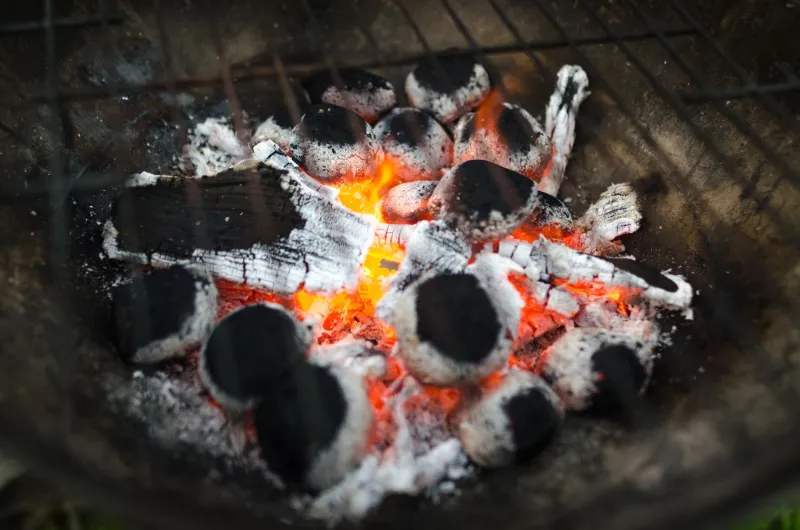
The tangible takeaways vary by person, but a few themes emerge consistently. A deeper respect for ingredient quality — particularly protein sourcing, since Japanese yakitori culture treats chicken with the same seriousness that American steakhouses treat beef. A more disciplined approach to charcoal management, including a preference for binchotan or high-quality lump charcoal over briquettes. And a fundamentally different relationship with patience.
Okonkwo came back from Kanazawa and immediately restructured her home grill setup. She invested in a proper konro (Japanese charcoal grill), sourced better charcoal, and started making her own tare from scratch — maintaining it over multiple grilling sessions the way a yakitori-ya maintains its master sauce.
"People come over and ask what I changed," she says. "The honest answer is everything and nothing. Same proteins, same basic techniques on the surface. But the food tastes different because I'm different. I'm more patient. I'm more present."
That, ultimately, is what these grilling pilgrimages are really about. Not a certificate, not a secret recipe, not a piece of equipment you can only buy in Japan. It's a recalibration of attention — a lesson in what it looks like to take the act of cooking over fire seriously enough to make it a practice rather than just a weekend activity.
For the Americans willing to make the trip, the grill they come home to feels like a completely different tool. Same fire. Completely different relationship.
And that changes everything you cook on it for the rest of your life.