Grill Slower, Taste More: How the Yakitori Mindset Is Rewiring American Backyard Culture
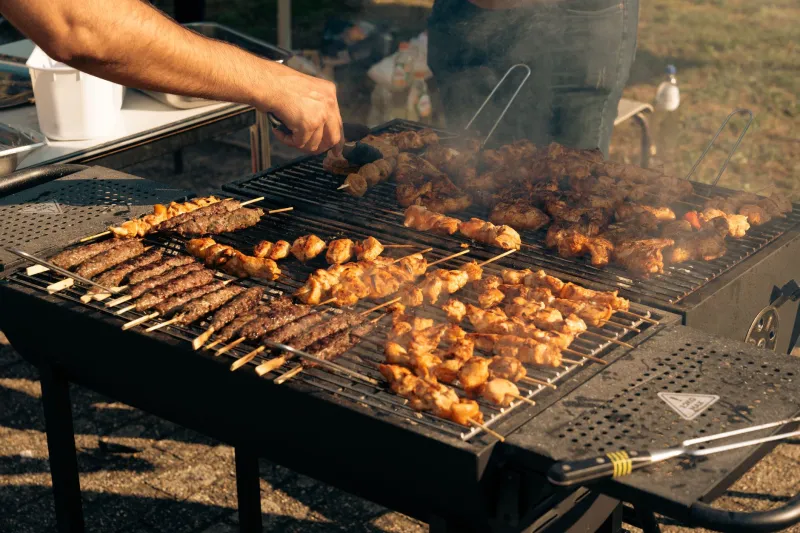
We live in a country that invented the drive-through. We pressure-cook beans in eight minutes and air-fry chicken in twelve. So what happens when a grilling tradition built on patience, presence, and deliberate fire management lands in the American backyard?
Something unexpected: people are actually slowing down.
Across the country — from apartment balconies in Austin to wide-open decks in the Pacific Northwest — home cooks are picking up skewers, lighting real charcoal, and discovering that yakitori's unhurried rhythm isn't a limitation. It's the whole point.
The Grill Isn't a Microwave
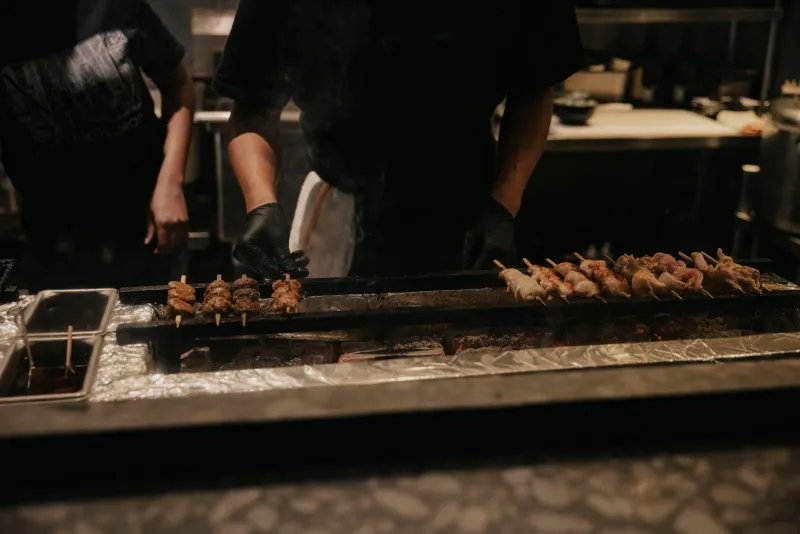
Traditional yakitori preparation in Japan is rooted in a philosophy that most American cooks have never been formally introduced to: ma (間), or the meaningful use of space and pause. A skilled yakitori chef doesn't rush the skewer. They read the fire. They rotate at the right moment. They know that the sound of fat hitting coals tells them something the timer on their phone never could.
"I used to flip burgers every two minutes because I was anxious," says Derek Callahan, a home cook from Nashville who started experimenting with yakitori setups after watching videos of Tokyo street stalls. "With yakitori, the skewer tells you when it's ready. You start listening to the grill instead of fighting it."
That shift — from controlling the grill to communicating with it — is at the heart of what makes yakitori feel so different from standard American grilling.
Why Slow Cooking Produces Better Flavor (Not Just Better Vibes)
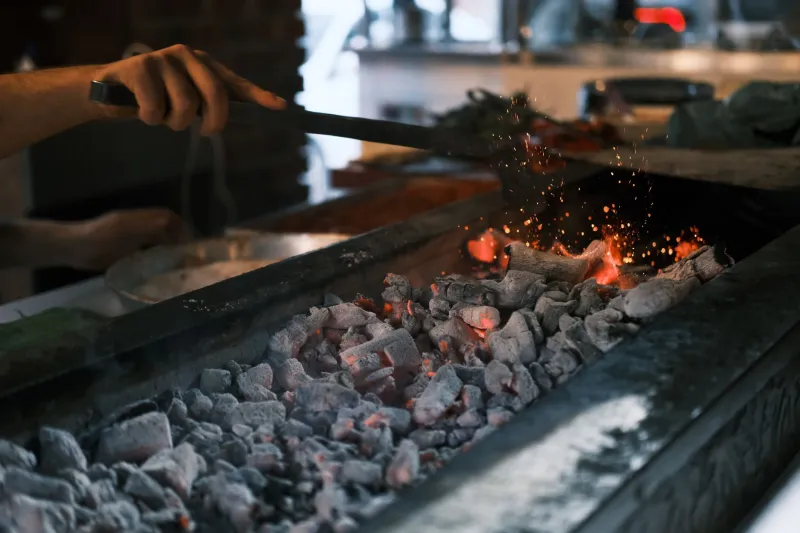
There's real science behind the patience. Yakitori is traditionally cooked over binchotan charcoal, which burns hotter and cleaner than standard briquettes but radiates heat differently — it's far infrared energy rather than direct convective heat. This means the protein cooks from the inside out at a steadier rate, retaining more moisture and allowing the natural sugars in the meat to caramelize gradually rather than char aggressively.
When you rush that process — cranking the heat, flipping too often, pulling the skewer too early — you interrupt the Maillard reaction before it fully develops. What you get is a cooked piece of chicken. What yakitori patience gives you is a transformed one.
For American cooks used to gas grills and preset temperature knobs, this requires a mental reset. You're not managing a setting. You're managing a living fire, and that takes attention.
The Psychological Case for Slowing Down
Chef and food writer Mara Simmons, who runs a popular Japanese cooking workshop series out of Portland, Oregon, puts it plainly: "Yakitori is almost meditative. You have to be present. You can't scroll your phone and grill yakitori well. The fire doesn't allow it."
That forced presence is increasingly appealing in a culture saturated with distraction. Studies on mindfulness and cooking suggest that tactile, attention-demanding food preparation reduces cortisol levels and increases feelings of accomplishment. Yakitori, with its repetitive skewering, careful rotation, and sauce layering (tare is often applied in multiple thin coats rather than one heavy brush), checks every one of those boxes.
For many American practitioners, the grill has become a kind of analog sanctuary. No notifications. No multitasking. Just fire, skewer, and smoke.
Practical Tips for Adopting the Yakitori Rhythm
You don't need a trip to Japan or a professional yakitori grill to start practicing this approach. Here's how to build the habit:
Start with thighs, not breasts. Chicken thigh is the classic yakitori cut for a reason — it's forgiving of slightly uneven heat and rewards slow cooking with juicier results. Breast meat punishes impatience.
Cut uniform pieces. One of the most overlooked steps in American yakitori attempts is inconsistent cutting. If your pieces vary in size, they cook at different rates, and you're constantly reacting rather than observing. Aim for 1-inch cubes, consistent across every skewer.
Use a two-zone setup. Even if you're on a standard kettle grill, push your coals to one side. Cook over indirect heat first, then finish over direct heat for color. This mirrors the deliberate, staged heat management of professional yakitori technique.
Apply tare in layers. Don't dump sauce on at the end. Brush a thin coat, let it set for 30 seconds, rotate, repeat. Three to four coats builds depth that a single heavy application never achieves.
Put your phone away. Seriously. Set a dedicated 30-to-45-minute window where the grill is your only job. That's not a long time — it just feels that way at first.
What Americans Are Actually Learning
The broader cultural moment here is worth naming. After years of meal kits, instant everything, and food delivery at the tap of an app, a meaningful counter-movement is building. People want to know where their food comes from, how it's made, and what it feels like to be genuinely involved in its creation.
Yakitori — with its visible fire, hands-on technique, and centuries of craft behind it — offers exactly that. It's not a trend. It's a correction.
"I grill yakitori two or three nights a week now," Derek says. "My neighbors started asking questions. Now we do it together on weekends. It became this whole thing."
That might be the most American thing about yakitori's rise here: we took a meditative Japanese tradition and turned it into a community event. Which, honestly, feels exactly right.
At Fuji Grill USA, we think the best meal you'll ever make is the one you didn't rush. Light the charcoal. Thread the skewer. And let the fire do the talking.