After Dark, Before the Coals Die: Why the Best Grilling in Japan Happens at Night
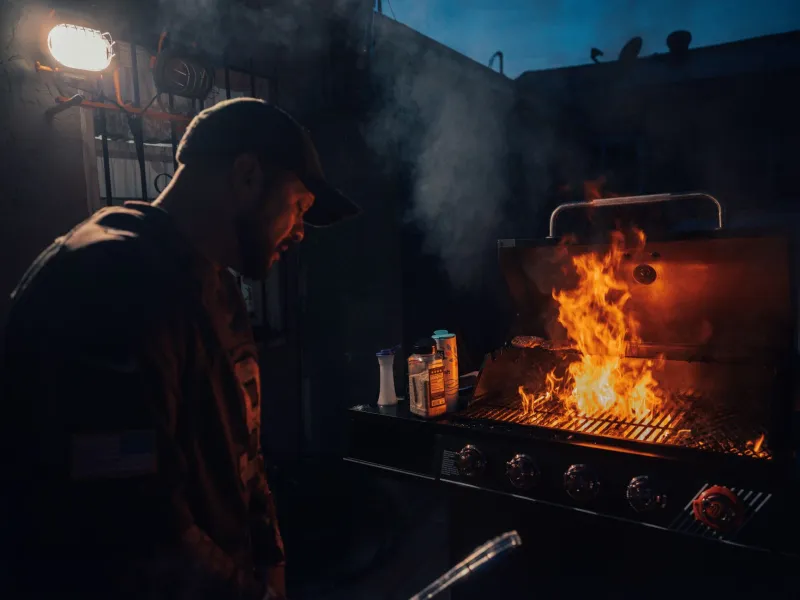
Most American backyard sessions follow the same script. You fire things up around noon, fight the afternoon heat, rush through the cook before the kids get restless, and call it done by 4 p.m. It's fine. It's familiar. But it's also leaving a lot of flavor on the table — or rather, in the daylight.
In Japan, particularly in the culture surrounding mountain retreats and the izakaya dining tradition, the grill doesn't hit its stride until well after sunset. There's a reason for that, and it goes deeper than aesthetics. Night grilling — what some call the Fuji Method, inspired by the mountain communities where outdoor cooking has been a ritual for centuries — changes the entire sensory and technical experience of cooking over fire. Once you try it, the 2 p.m. cookout starts to feel like a missed opportunity.
Why the Mountain Taught People to Cook at Night
Around the base of Mount Fuji, where temperatures drop sharply after sunset even in summer, evening cooking wasn't just cultural — it was practical. Cooler ambient air means a more stable fire. Wind patterns calm. The cook has more control, not less. What started as necessity became tradition, and that tradition shaped the precision-obsessed grilling culture Japan is now known for worldwide.
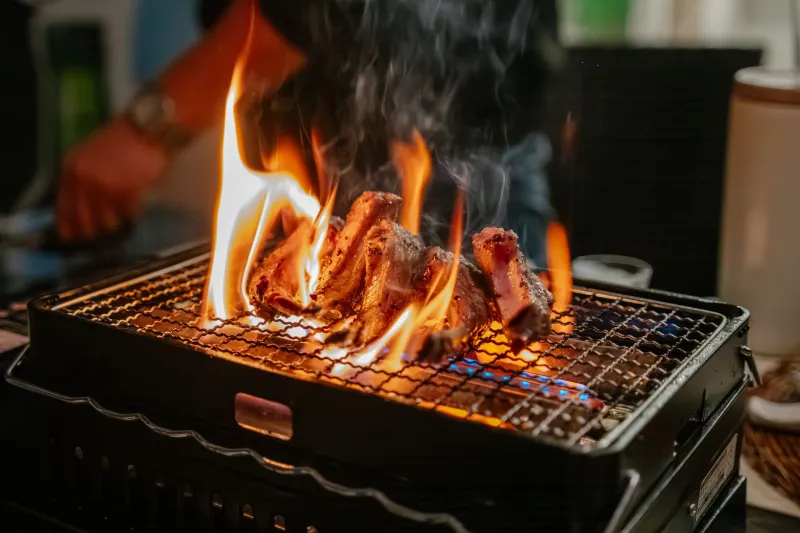
Izakayas — Japan's beloved after-work grill bars — reinforced this rhythm. They open late, peak later, and the food coming off those charcoal grates at 10 p.m. is often the best of the night. The cooks have found their groove. The coals are perfectly settled. Nobody's rushing.
American grilling culture runs almost opposite to this. We front-load the event, rush the fire, and eat before the coals have even hit their stride. The Fuji Method asks you to flip that entirely.
The Science of Grilling After Sunset
Here's what actually changes when you cook at night, and none of it is mystical.
Temperature differentials stabilize. During the day — especially in summer across most of the US — ambient heat competes with your fire. Your grill is working against the environment. At night, cooler air creates a cleaner contrast between heat zones, which means you get more predictable results from hot-sear to rest zones. This matters enormously when you're cooking proteins that need precision.
Humidity tends to rise slightly after dark. This sounds counterintuitive, but a touch more moisture in the air can actually slow surface evaporation on your proteins, giving you a slightly juicier result — especially on leaner cuts like chicken thighs, pork skewers, or fish. Japanese grill masters have long understood this, even if they'd describe it differently.
Wind drops. In most parts of the country, evening brings calmer conditions. Consistent airflow means consistent combustion, which means your charcoal burns more evenly. If you're using binchotan or any quality hardwood charcoal, you'll notice the difference immediately. The coal holds its heat more steadily instead of flaring with every gust.
Your senses sharpen. This one's harder to quantify but impossible to ignore. Without visual noise — the bright glare of afternoon sun, the distraction of a busy yard — you start to smell the smoke differently. You hear the sizzle more clearly. You notice the color of the coals. Night grilling forces a kind of sensory focus that makes you a better cook almost by accident.
Setting Up Your Backyard for an Evening Session
You don't need to overhaul anything to try this. But a few adjustments make the experience significantly better.
Light your coals earlier than you think. If you're eating at 9 p.m., start your fire around 7:30. Quality charcoal needs time to reach the right stage — fully ashed over, radiating even heat rather than open flame. Rushing this is the most common mistake, day or night.
Use low, warm lighting around the grill area. String lights, a lantern, or even a couple of outdoor candles positioned safely away from the fire are enough. You want to see what you're cooking without flooding the space with harsh overhead light. Japanese grill setups tend to be intimate and dim — that's not an accident. The atmosphere is part of the meal.
Keep your station tight. At night, a cluttered grill setup becomes a genuine hazard. Before you light anything, organize your tools, sauces, and skewers within easy reach. A clean, minimal station is safer and lets you stay focused on the cook rather than hunting for tongs in the dark.
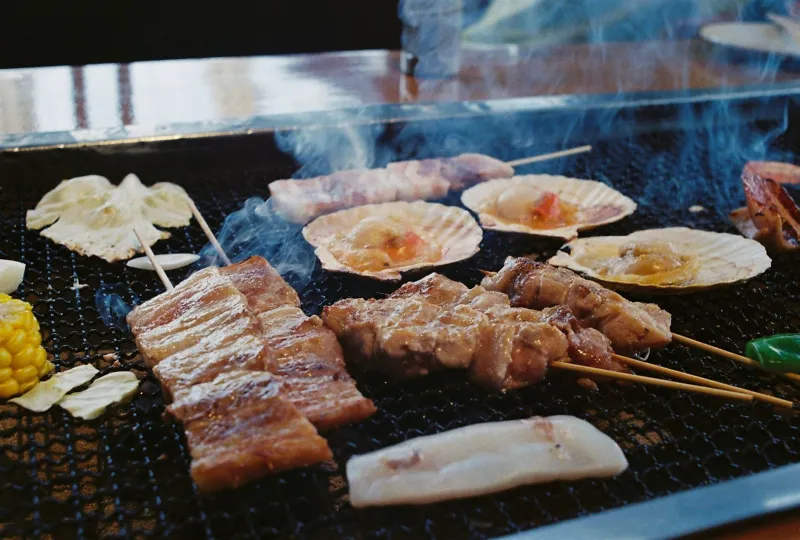
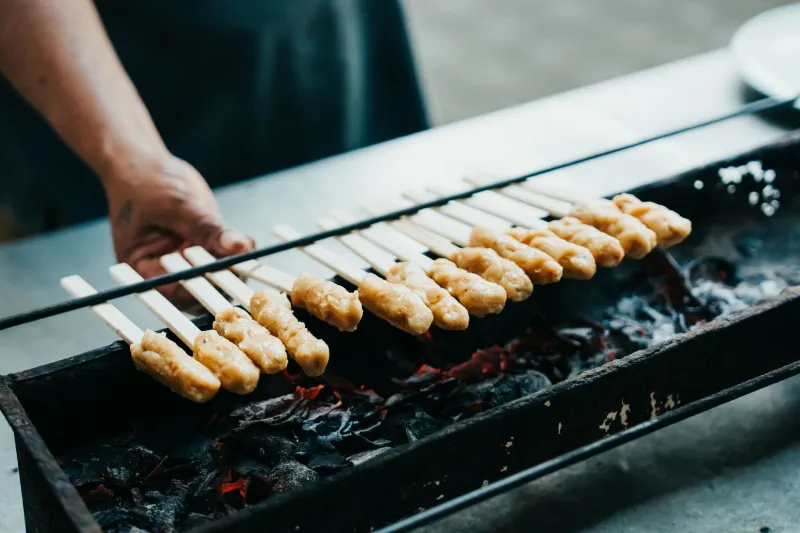
Plan a menu that rewards patience. Night grilling pairs naturally with food that doesn't need to be rushed. Yakitori skewers, slow-basted pork belly, whole fish over indirect heat — these are dishes that develop flavor over time. They're also dishes that taste better eaten slowly, which is exactly what a late-evening session invites.
The Social Shift That Changes Everything
There's something else that happens when you move your cookout to the evening, and it's worth naming directly: the energy of the gathering changes.
Daytime grilling in America tends to be loud, scattered, and kid-centric. That's great for what it is. But a night grill session pulls people closer. Conversations get longer. People linger around the fire. The meal becomes an event rather than a pit stop between activities. This is exactly the atmosphere that defines a great izakaya night in Tokyo or Osaka — and it's available in your backyard in Cleveland, Austin, or Portland if you're willing to push the clock back a few hours.
At Fuji Grill USA, we think about this a lot. Bringing authentic Japanese grilling culture to American tables isn't just about equipment or technique — it's about the whole experience. And some of the best experiences happen after dark.
Start Small, Go Late
You don't have to commit to a full midnight grill session on your first try. Start by pushing your next cookout two hours later than usual. Get the fire going at dusk. Let the coals settle properly. Cook something simple — chicken skewers, maybe some vegetables — and pay attention to how the experience feels different.
Chances are, you won't want to go back to noon.
The mountain taught Japan to cook at night for good reasons. The coals burn better, the food tastes cleaner, and the whole ritual slows down in a way that makes it worth doing. That's the Fuji Method. And your backyard is ready for it.