Beyond Teriyaki: The Ancient Japanese Sauces That Will Change Everything You Know About Grilling
The Sauce That Built an Empire
Walk into any decent yakitori joint in Tokyo — or honestly, any convenience store with a hot food counter — and you'll encounter a smell that stops you cold. It's smoky, sweet, savory, and deeply complex in a way that your brain can't immediately categorize. That smell is tare, the foundational sauce of Japanese yakitori culture, and it's been quietly simmering in the background while Americans obsessed over ketchup-based BBQ and store-bought teriyaki bottles.
Here's the thing: teriyaki sauce, as most Americans know it, is basically a starting sketch of what Japanese grilling glazes can become. Tare (pronounced "tah-reh") is the fully realized painting. And once you understand the difference, there's no going back.
At Fuji Grill USA, we've spent a lot of time thinking about how to translate Japan's fire-cooking heritage into something that works in American backyards. Tare is one of the most exciting parts of that translation — because the flavor science is genuinely fascinating, the ingredients are increasingly accessible, and the payoff on your grill is enormous.
What Tare Actually Is (And Why It's Not Teriyaki)
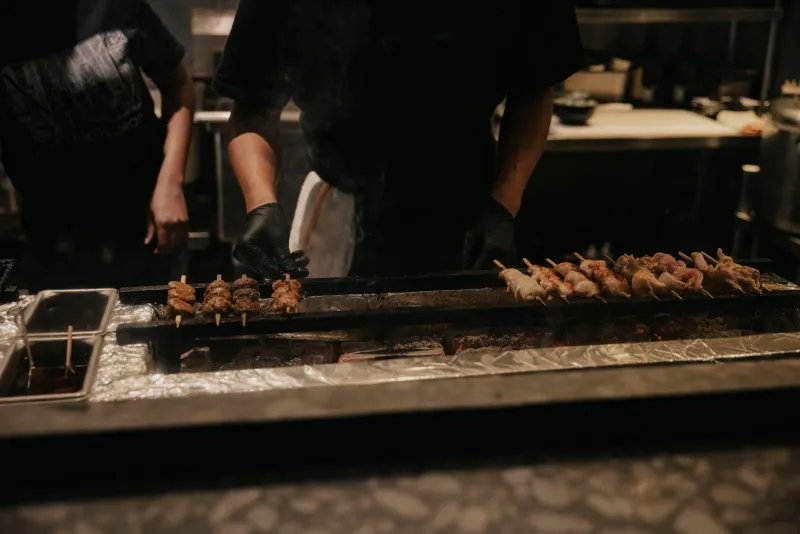
The word "tare" simply means "sauce" or "dipping sauce" in Japanese, but in the context of yakitori, it refers to a specific style of reduction-based glaze that's built up over time — sometimes years. Traditional yakitori-ya (yakitori restaurants) maintain what's called a "master tare," a sauce pot that never fully empties. Every time chicken drippings fall from the skewers, they get incorporated back into the sauce. The pot gets topped up with fresh soy, mirin, and sake. Over months and years, this creates a sauce of staggering depth that no recipe can fully replicate on day one.
The core of most tare is a combination of soy sauce, mirin, sake, and sugar, reduced down until glossy and thick. But that's like saying a great bourbon is just corn and water. The ratios, the reduction technique, the quality of each ingredient, and the accumulated history of the pot all matter enormously.
Teriyaki sauce, by contrast, is typically thinner, sweeter, and lacks the fermented complexity that makes tare so compelling. Most American teriyaki sauces also skip sake entirely, which removes a crucial layer of subtle fruit and alcohol-driven depth.
Regional Styles Worth Knowing
Just like American BBQ has its regional dialects — Kansas City sweet, Carolina vinegar, Texas beef-forward — Japanese yakitori tare has genuine regional variation.
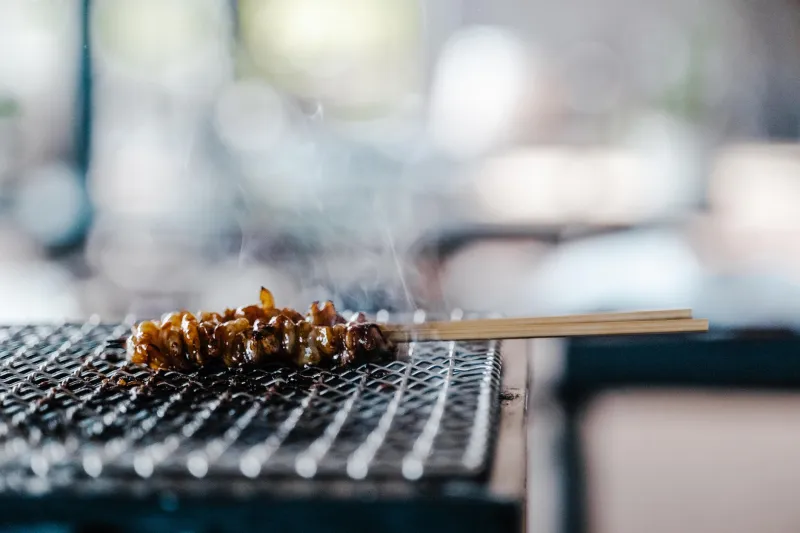
Tokyo-style tare tends to be darker, saltier, and more intensely savory. It's built for basting repeatedly over high charcoal heat, developing a lacquered, almost sticky coating on chicken thighs and skin-on cuts.
Kyoto-style tare leans lighter and more refined, often incorporating dashi (a delicate stock made from kombu seaweed and bonito flakes) to add a subtle oceanic undertone without overwhelming the protein. It's particularly good with more delicate cuts like chicken breast or fish.
Fukuoka-style preparations often incorporate a touch more sweetness and sometimes a hint of citrus — yuzu or sudachi — which makes them incredibly versatile for American palates that tend to enjoy a bit of brightness in a glaze.
Building Your Own Tare at Home
You're not going to replicate a 30-year-old master tare on your first try, and that's okay. What you can do is build a genuinely excellent foundational tare that improves every time you use it — especially if you save it after grilling sessions and add drippings back in.
Basic Yakitori Tare Recipe
Makes about 1 cup — keeps refrigerated for weeks
- ½ cup soy sauce (use a Japanese brand like Kikkoman or Yamasa, not generic)
- ¼ cup mirin (look for "hon-mirin" — real mirin, not "mirin-style" seasoning)
- ¼ cup sake (cooking sake works, but a cheap drinking sake is even better)
- 2 tablespoons sugar
- 1 tablespoon brown sugar (this is a small American adaptation that adds a molasses note)
- 2 garlic cloves, lightly crushed
- 1 small knob of ginger, sliced
Combine everything in a small saucepan over medium heat. Stir until sugar dissolves, then bring to a gentle simmer. Reduce by about one-third until the sauce coats a spoon. Remove garlic and ginger. That's your base.
For a Kyoto-style variation, dissolve a small piece of kombu (about 2 inches) in the sauce during reduction, then remove it before the sauce gets too thick. The difference is subtle but unmistakable.
For a Fukuoka-style riff, finish the reduced sauce with a teaspoon of yuzu juice or a squeeze of Meyer lemon. Meyer lemons are the closest American analog to yuzu's floral citrus character and are widely available at Whole Foods and many grocery stores in spring.
American Pantry Swaps That Actually Work
Here's where the practical magic happens. Not everyone has access to a Japanese grocery store, and that's fine. Some substitutions genuinely hold up:
- No mirin? Use a dry sherry with a small amount of extra sugar. It's not identical, but the alcohol-sweetness relationship is similar.
- No sake? Dry vermouth is a surprisingly decent substitute in cooked applications. Avoid rice wine vinegar — the acidity profile is completely different.
- Want more umami depth? Add a small splash of fish sauce (Thai or Vietnamese brands work fine) or a teaspoon of white miso whisked in at the end. These aren't traditional, but they amplify the savory backbone in a way that makes sense.
- Chicken drippings are gold. If you're grilling chicken thighs on charcoal, catch some of those drippings and stir them into your tare. This is the single fastest way to start building that layered, lived-in quality of a real yakitori tare.
What to Grill With It
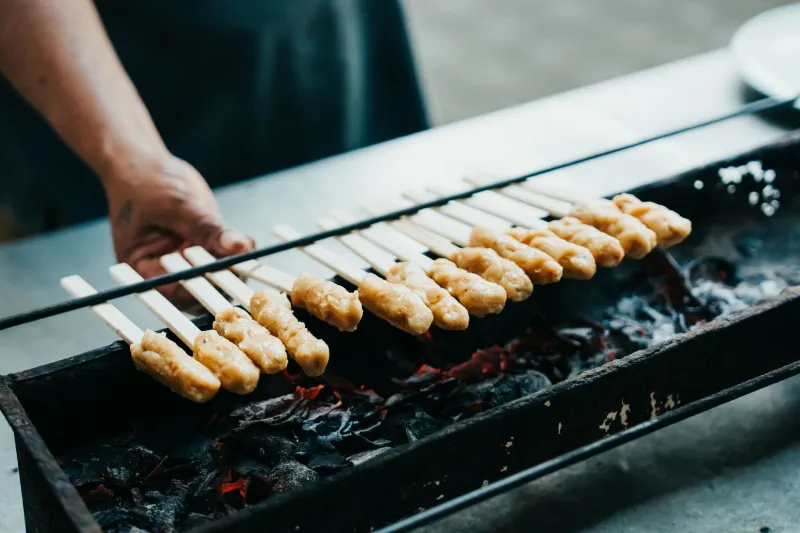
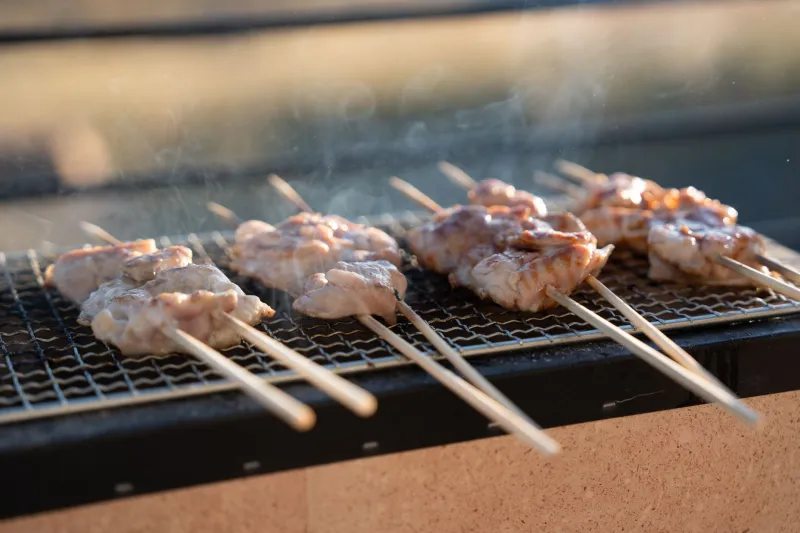
Chicken thighs are the obvious starting point — they have enough fat to caramelize beautifully under tare's sugars without drying out. But don't stop there. Pork belly, shishito peppers, chicken wings, and even thick-cut salmon all respond beautifully to repeated tare basting over medium-high charcoal heat.
The key technique: baste, rest briefly, baste again. Don't drown the protein. You're building layers, not painting a wall. Each pass of tare should get slightly darker and more lacquered. Pull the protein just before you think it's done — the residual heat finishes the caramelization without burning the sugars.
Your convenience store yakitori snack in Tokyo was built on exactly this method. Your backyard can be, too.