Skewers, Smoke, and Soul: Why Yakitori Is Taking Over the American BBQ Scene
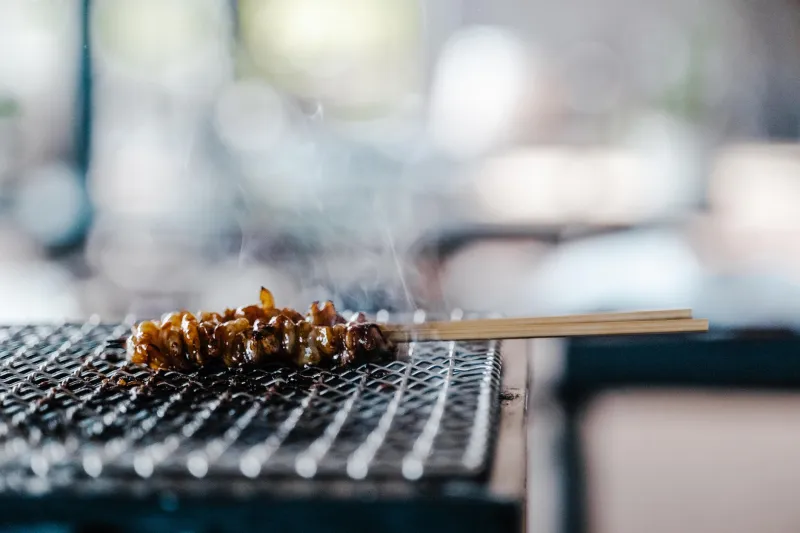
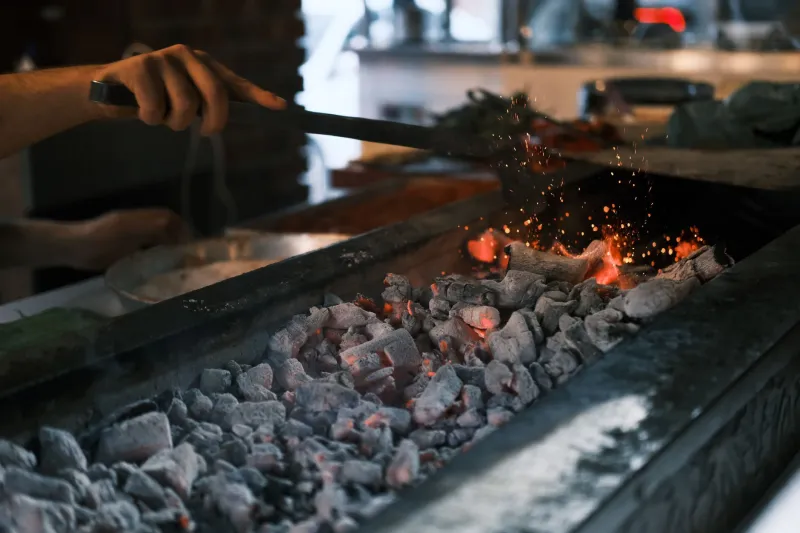
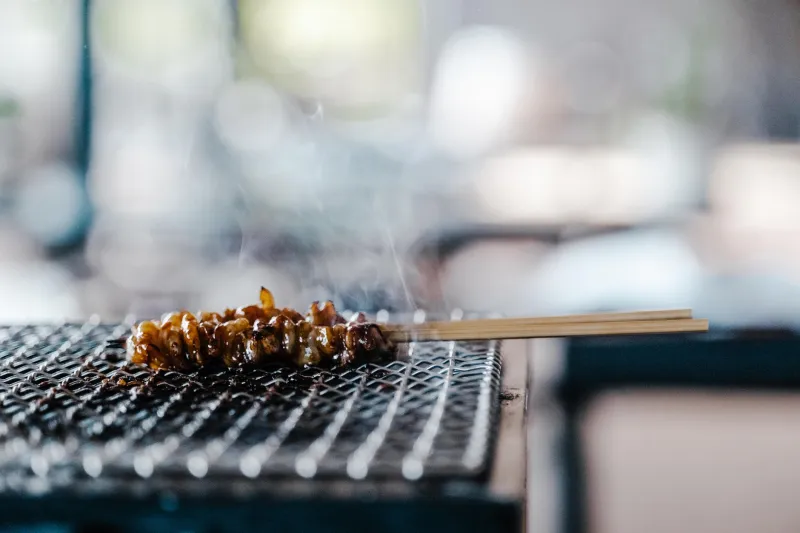
Walk into almost any food hall in a major American city right now and there's a decent chance you'll spot a narrow charcoal grill tucked behind a counter, skewers lined up in neat rows, smoke curling toward the ceiling. A few years ago, that scene would have been unusual outside of Japanese neighborhoods in New York or Los Angeles. Today, it's showing up in Nashville, Austin, Denver, and everywhere in between.
Yakitori — literally "grilled bird" in Japanese — has been part of Japan's food DNA for centuries. But its arrival as a genuine American culinary trend feels less like a passing fad and more like a natural evolution. Here at Fuji Grill USA, we've had a front-row seat to this shift, and we want to break down exactly why it's happening and what it means for how Americans think about grilling.
A Quick History Lesson (We Promise It's Interesting)
Yakitori in Japan grew out of the post-World War II era, when chicken became more widely available and affordable. Street vendors set up small charcoal grills outside train stations and in narrow alleyways called yokocho, threading chicken onto bamboo skewers and serving them to hungry commuters for a few yen apiece. It was humble, unpretentious food — but the craft involved was anything but simple.
Over decades, Japanese yakitori chefs developed an extraordinarily detailed vocabulary around the chicken itself. Every part of the bird — the thigh (momo), the skin (kawa), the cartilage (nankotsu), the liver (reba), even the tail (bonjiri) — was treated as a distinct ingredient with its own ideal skewering technique, cooking time, and seasoning approach. This whole-bird philosophy turned what might seem like simple street food into a deeply technical culinary discipline.
That depth is a big part of what's attracting American chefs and food enthusiasts who are hungry (pun intended) for something more layered than the standard burger-and-brat cookout.
Why America Is Ready for This
The timing of yakitori's American moment isn't random. Several cultural currents are converging at once.
The farm-to-table movement has trained a generation of diners to care about where their ingredients come from and to value whole-animal cooking. Yakitori's nose-to-tail approach to the chicken — using cuts most Americans throw away — aligns perfectly with that ethos. Suddenly, chicken hearts and livers aren't off-putting; they're adventurous and responsible.
The health-conscious grilling shift is also playing a role. Yakitori is inherently lighter than traditional American BBQ. There are no heavy rubs, no thick sugary sauces (unless you want them), and the skewer format naturally limits portion size in a way that feels satisfying without being excessive. For Americans increasingly looking for protein-forward, lower-calorie outdoor cooking options, yakitori checks a lot of boxes.
Interactive and experiential dining is the third piece of the puzzle. Post-pandemic, Americans are craving food experiences that feel engaging and communal. Yakitori, whether you're watching a skilled chef work a konro grill at a restaurant or skewering your own ingredients at a backyard gathering, is inherently participatory. It slows down the meal, creates conversation, and turns cooking into a shared event.
The Restaurants Leading the Charge
A handful of pioneering spots have done more than anyone to plant the yakitori flag in American soil.
Torishin in New York City's Hell's Kitchen neighborhood has been making the case for high-end yakitori since 2007, earning a Michelin star and introducing generations of New Yorkers to what a truly skilled tori-sho (yakitori chef) can do with a simple skewer and a charcoal grill.
In Los Angeles, Yakitoriya in West Los Angeles has built a devoted following with its commitment to traditional binchotan grilling and a menu that walks guests through the full vocabulary of chicken cuts. Chef and owner Takao Iinuma has become something of an ambassador for the form, regularly hosting dinners that educate as much as they feed.
More recently, non-Japanese American chefs have started putting their own spin on the format. In Portland, Oregon, several izakaya-inspired spots have incorporated local, heritage-breed chickens into yakitori menus that blend Japanese technique with Pacific Northwest sourcing sensibilities. In Chicago, a new wave of Japanese-American fusion restaurants is pairing skewer-grilled proteins with Midwestern ingredients like duck breast, lamb, and even local farm vegetables.
This localization — Japanese technique meeting American ingredients and sensibility — is exactly the kind of cultural exchange that keeps food culture alive and moving forward.
Getting Started: Beginner-Friendly Yakitori at Home
Here's the good news: you don't need a Michelin star or a $500 konro grill to make excellent yakitori at home. You need a few basic tools, good ingredients, and a little patience.
What You'll Need
- Bamboo or metal skewers (if using bamboo, soak in water for 30 minutes before grilling)
- A charcoal grill with good airflow control, or a dedicated tabletop konro grill
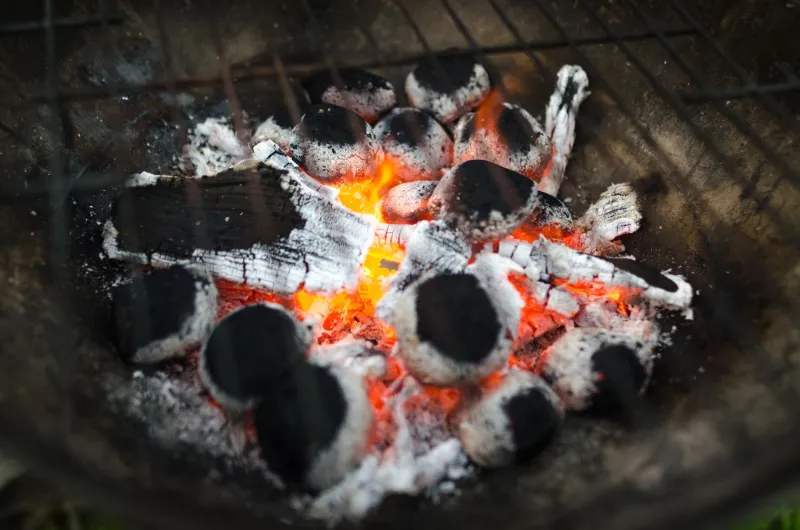
- Japanese charcoal (binchotan or ogatan for best results, though good lump charcoal works)
- Bone-in, skin-on chicken thighs (the juiciest, most forgiving cut for beginners)
Classic Tare Sauce (Your New Secret Weapon)
Tare is the sweet-savory glaze that defines yakitori's flavor. Here's a simple version:
Ingredients:
- ½ cup soy sauce
- ¼ cup mirin
- 2 tablespoons sake
- 1 tablespoon sugar
Directions: Combine all ingredients in a small saucepan over medium heat. Stir until sugar dissolves, then simmer for 8-10 minutes until slightly thickened. Let cool. This keeps in the fridge for up to two weeks and gets better with use.
Simple Chicken Thigh Skewers (Momo Yakitori)
Ingredients:
- 4 boneless, skin-on chicken thighs
- Salt
- Tare sauce (recipe above)
- Sliced green onions for garnish
Directions:
- Cut chicken thighs into 1-inch chunks, keeping skin attached where possible.
- Thread 4-5 pieces onto each skewer, folding skin over the meat to keep it from burning.
- Season lightly with salt.
- Grill over medium-high charcoal heat for 3-4 minutes per side, turning once.
- Brush generously with tare sauce in the final 2 minutes of cooking, turning once more to caramelize.
- Serve immediately, garnished with green onion.
Pro tip: Resist the urge to move the skewers constantly. Let each side develop a proper sear before turning. That caramelized crust is where the flavor lives.
Going Beyond Chicken
Once you've got the technique down, the skewer world opens up. Try:
- Shishito peppers blistered over high heat with a sprinkle of sea salt
- Beef short rib (gyutan-style) cut thin and folded onto skewers
- Asparagus wrapped in thin-sliced bacon — a crowd-pleaser that bridges Japanese and American BBQ sensibilities perfectly
- King oyster mushrooms halved and grilled with butter and soy sauce
The Fuji Grill USA Angle
At Fuji Grill USA, yakitori isn't just a trend we're watching — it's central to why we exist. Our grilling equipment is designed specifically to bring the precision and intentionality of Japanese charcoal cooking into American outdoor spaces. Whether you're setting up a backyard konro station for a dinner party or looking to level up your weeknight chicken game, the principles are the same: quality fuel, thoughtful preparation, and respect for the ingredient.
The rise of yakitori in America feels, to us, like a genuinely exciting moment. It's proof that American food culture is still curious, still hungry for new techniques and deeper traditions. And it's a reminder that sometimes the most transformative cooking experiences come not from elaborate equipment or exotic ingredients, but from a piece of charcoal, a bamboo skewer, and a little bit of smoke.
Welcome to the revolution. Pull up a skewer.